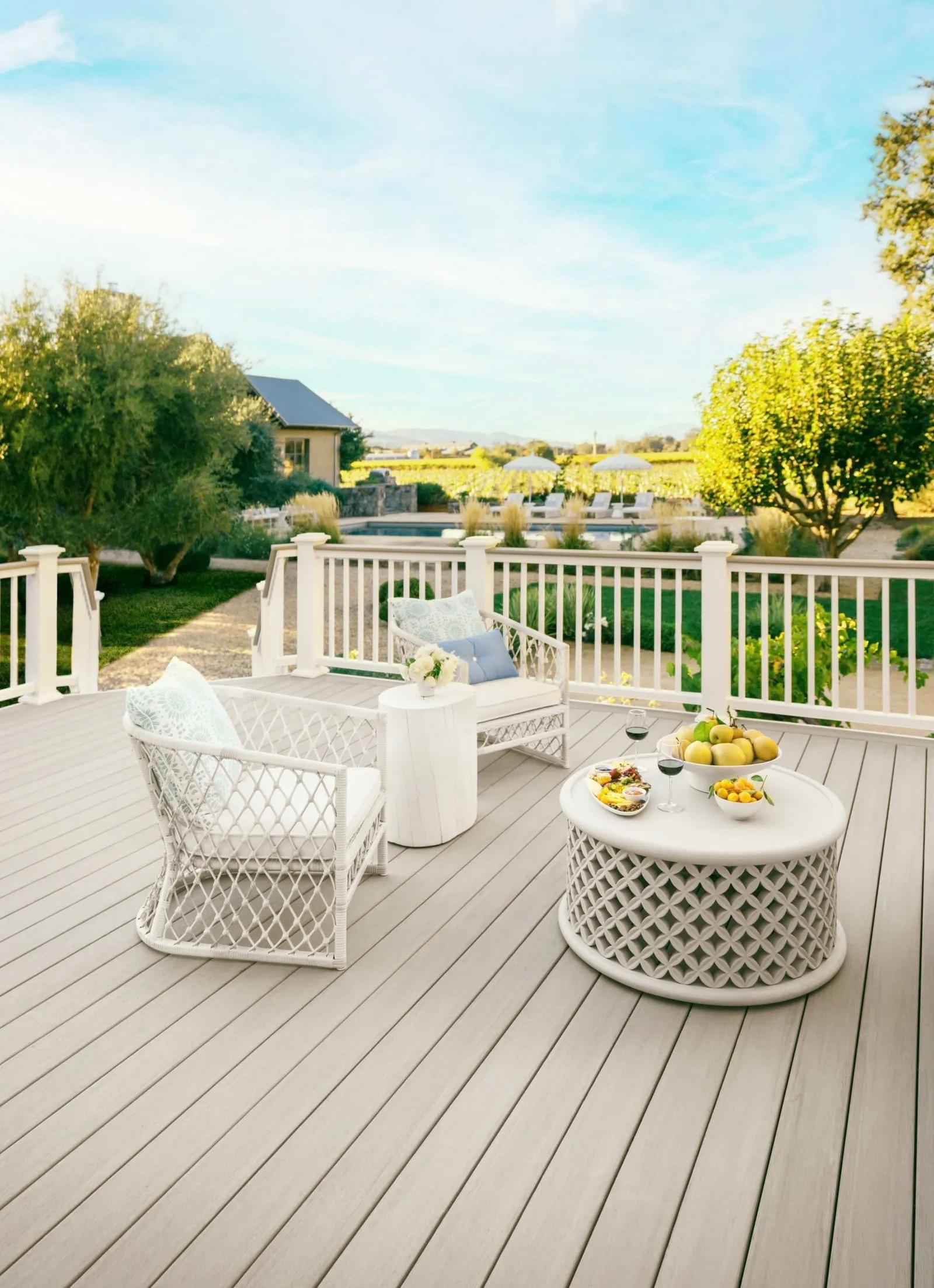
Wildlife Havens: Designing Gardens That Attract and Sustain Local Fauna Mar 28, 2026
The initial step in creating a wildlife-friendly garden involves understanding the local fauna and their specific needs. Native plants play a pivotal role here. Choosing flora native to your region ensures that the plants are well-adapted to the local climate, soil, and wildlife. These plants offer food and shelter to indigenous species, making your garden an inviting habitat. For instance, a variety of berries, flowers, and grasses serve as food sources for birds, bees, and butterflies.
Birds are particularly valuable garden visitors as they aid in pest control and pollination. To attract a broader range of birds, consider adding feeders filled with seeds and nesting boxes to provide safe havens for reproduction. Providing a reliable source of water, such as a birdbath or small pond, will entice not only birds but other creatures such as amphibians, dragonflies, and beneficial insects. Keep water sources clean and fresh to prevent stagnation and the spread of disease.
Incorporating layers into your garden design will offer various habitats for different fauna. Trees, shrubs, and groundcovers all have roles to play in creating a tiered environment. Trees and large shrubs offer perching and nesting opportunities, while lower-layer plants provide cover and foraging ground for smaller mammals and insects.
Reducing pesticide use is another critical component of fostering a wildlife haven. While it might be tempting to use chemicals for a pristine garden, many pesticides can harm beneficial insects and disrupt the food chain. Instead, consider adopting organic gardening practices. These might include companion planting, using natural predators to control pests, and employing organic fertilizers that can enrich the soil without harmful side effects.
Dead wood and leaf litter are often overlooked elements of a thriving wildlife garden. Logs, fallen branches, and piles of leaves furnish insects and fungi, which are integral to nutrient cycling, with necessary habitats. Small mammals and reptiles will also appreciate these shaded, humidity-retaining areas as they provide shelter and food.
For those interested in welcoming specific species, such as butterflies, understanding their life cycle is essential. Planting nectar-rich flowers is a start, but providing plants for caterpillars to munch on ensures that butterflies can complete their life cycle right in your garden. Similarly, creating a small mud puddle gives insects a place to drink and obtain essential minerals.
Finally, patience and observation are key. Creating a wildlife haven is not a quick process, but the rewards are immense. By spending time watching the various creatures your garden attracts, you not only gain insight into the interconnectedness of nature but also contribute to biodiversity.
At BW Outdoor Solutions, our goal is to guide homeowners in cultivating spaces that are harmonious with nature. Not only does a wildlife-friendly garden offer a peaceful retreat, but also it represents a proactive stance in preserving our planet's ecological balance. Embrace the transformation and watch as your garden becomes a lifeline for local wildlife.
/filters:no_upscale()/filters:format(webp)/media/2896d341-f3e3-43c3-bd2c-5cdddfef294b.jpeg)