Texture and Contrast: Using Diverse Plants and Materials for a Visually Stunning Landscape Jun 17, 2026
First, it's important to understand the role of texture in landscape design. Texture refers to the surface quality of plants, which can be fine, medium, or coarse. Fine-textured plants have small leaves and delicate branches, giving a light and airy appearance. Medium textures have moderate leaf size and are generally easy to blend with other plants. Coarse-textured plants have large leaves and a bold presence, often serving as focal points. By strategically combining plants of different textures, you create a dynamic and layered look that draws the eye and piques interest.
Contrast, on the other hand, is about creating distinctions in your landscape. This can be achieved by juxtaposing plants of different sizes, shapes, and colors. For instance, pairing a dark-leaved shrub with silvery foliage plants produces a striking visual impact. Contrasting plant forms, such as tall ornamental grasses alongside low-growing ground covers, can also add visual excitement. By creatively using contrast, you highlight key features and create focal points that captivate attention.
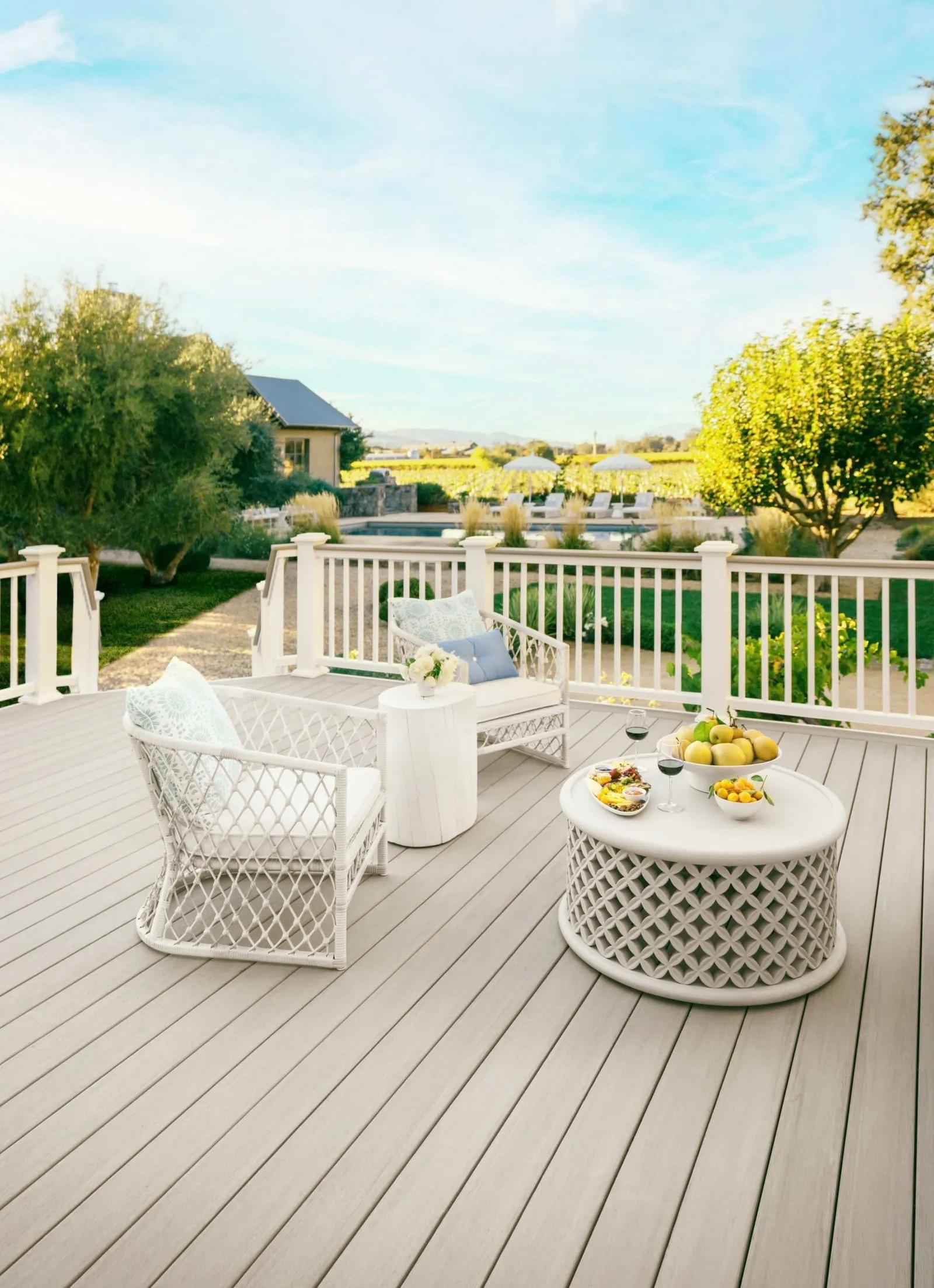
When incorporating texture and contrast, consider your landscape’s structural elements. Hardscapes—such as pathways, patios, and stone walls—play a significant role in landscape design. Combining different materials like wood, stone, and metal can create contrast with the softer textures of plants. A stone pathway meandering through the garden not only adds direction and flow but also contrasts beautifully with lush greenery. Meanwhile, a wooden pergola or metal garden sculpture can serve as an eye-catching accent that complements the natural elements.
For best results, consider the seasonal changes in your landscape. Plants like deciduous trees bring contrast and texture throughout the year. In spring and summer, their leaves add texture and color, while in fall, their vibrant foliage creates contrasting hues. In winter, their interesting branches can contrast against the snow, adding a new dimension to the landscape. Perennials and evergreen plants can also maintain texture and contrast throughout the colder months, ensuring your garden remains appealing year-round.
When planning your landscape, scale is key. Ensure that the size of your plants and materials corresponds to the overall dimensions of your space. Too many coarse-textured plants in a small garden can overwhelm, while too many fine-textured plants in a large area may get lost among the landscape. Striking a balance with various textures and contrasts keeps the space cohesive and inviting.
For BW Outdoor Solutions customers, integrating texture and contrast into your landscape design offers a fantastic way to boost curb appeal and create an inviting outdoor space. Whether creating a serene garden retreat or a lively exterior entertainment area, using diverse plants and materials will bring your vision to life, offering both beauty and function. Embrace the natural artistry of your environment, and watch as your landscape evolves into a masterpiece of design.
/filters:no_upscale()/filters:format(webp)/media/2896d341-f3e3-43c3-bd2c-5cdddfef294b.jpeg)