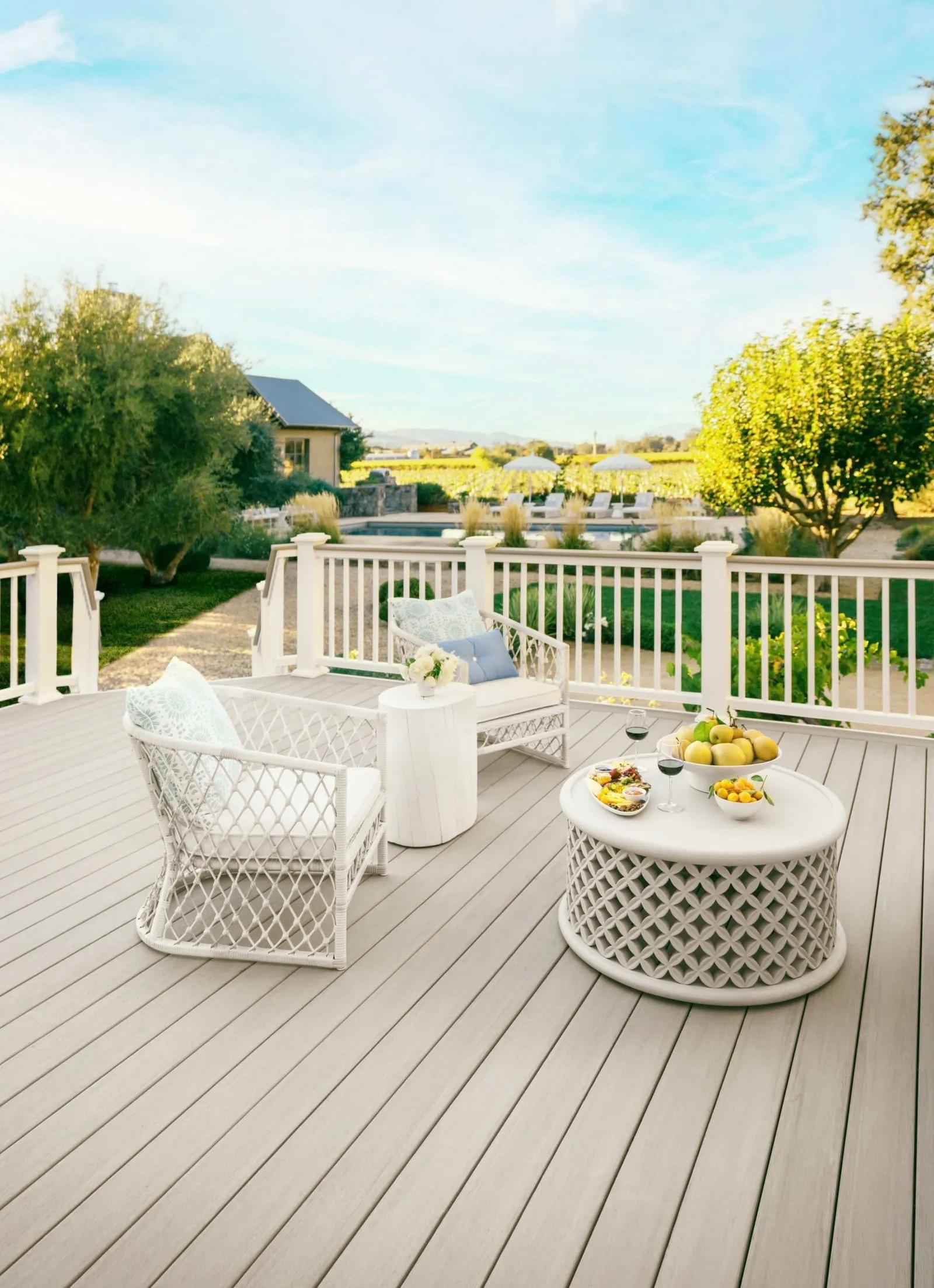
Revitalize Your Outdoor Haven: Expert Tips for Sustainable Landscape Transformation Dec 26, 2025
To begin your landscape transformation, start with a comprehensive plan. Assess your current landscape and identify areas for improvement. Consider factors such as sun exposure, soil type, and existing plant life. Defining your goals is crucial; whether you're interested in conserving water, attracting pollinators, or reducing maintenance, having clear objectives will guide your design choices.
Selection of native plants is paramount in sustainable landscaping. Native plants are adapted to your local climate and require less water, fertilizer, and pesticides than non-native species. By choosing native flora, you not only create a habitat for local wildlife but also reduce your environmental impact. Consider integrating a mix of flowering plants, shrubs, and grasses that bloom at different times of the year to maintain color and interest throughout the seasons.
Water conservation is another indispensable component of an eco-friendly landscape. Implementing a rainwater harvesting system is a great way to utilize natural water resources. Additionally, adopting drip irrigation can minimize water waste, ensuring your plants receive adequate hydration without overwatering. Consider using mulch in your garden beds to retain moisture, regulate soil temperature, and suppress weed growth.
Soil health plays a key role in sustainable landscaping. Invest in soil testing to understand its quality and nutrient levels. Incorporating organic matter such as compost can enrich the soil, improving its structure and fertility. Healthy soil not only supports robust plant growth but also enhances water retention and reduces erosion. Regularly aerating your lawn can further enhance oxygen infiltration and drainage.
Creating a pollinator-friendly garden contributes significantly to biodiversity. Pollinators like bees, butterflies, and birds are essential for a healthy ecosystem, assisting in plant reproduction. To attract these beneficial creatures, plant a variety of nectar and pollen-rich native species. Create habitats for these pollinators by offering sources of water and shelter, such as bird baths or small rock piles.
Another aspect of sustainable landscaping is the reduction of chemical usage. Opt for organic fertilizers and pest control methods to maintain a healthy, toxin-free environment. Compost tea, neem oil, and beneficial insects like ladybugs are excellent choices for natural pest management. These alternatives not only protect your family and pets but also promote soil and plant health.
Finally, consider the role of functional and recycled materials in your landscape. Reclaimed wood, bricks, or stones can create unique and sustainable features such as garden paths, raised beds, or retaining walls. These materials not only add rustic charm but also reduce the demand for new resources.
In conclusion, by focusing on sustainable practices, you can revitalize your outdoor haven into a space that supports the environment and brings lasting enjoyment. Let BW Outdoor Solutions guide you through every step of your landscape transformation journey, ensuring that your outdoor space not only thrives but also contributes positively to the broader ecosystem. Embrace sustainability and watch your garden flourish in harmony with nature.
/filters:no_upscale()/filters:format(webp)/media/2896d341-f3e3-43c3-bd2c-5cdddfef294b.jpeg)