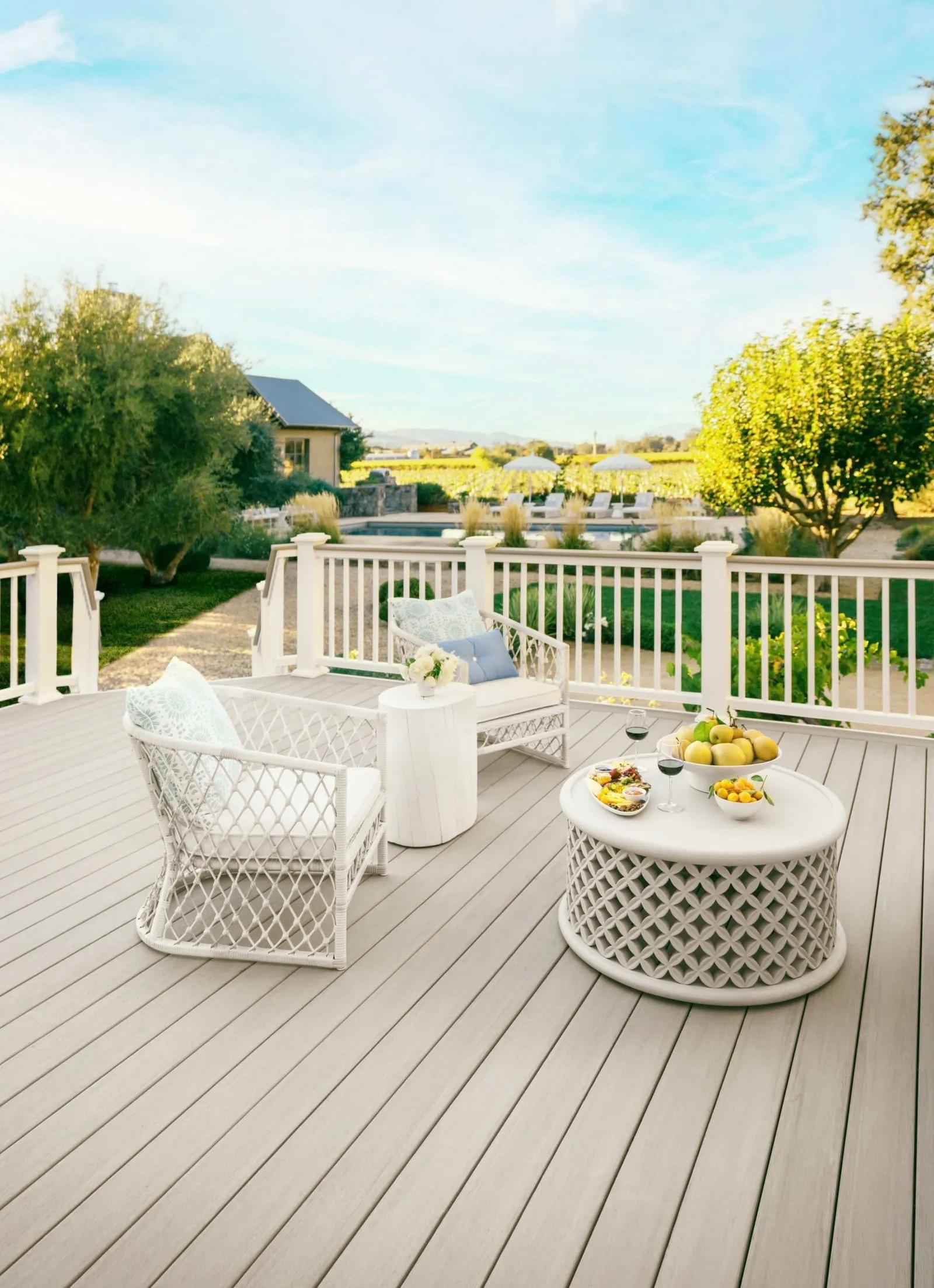
Nature's Palette: Crafting Color Harmony in Landscape Design Aug 03, 2026
Color in landscape design is more than mere decoration; it's an emotional language that conveys mood and feeling. The right mix of flora can elicit a sense of tranquility, joy, or elegance. Beginning with an understanding of color theory is essential. Familiar concepts like the color wheel can guide the selection of plants and flowers to create a balanced and visually appealing garden.
Incorporating complementary colors is a fundamental technique in landscape design. Complementary colors are opposite each other on the color wheel, such as purple and yellow or red and green. These combinations are naturally pleasing to the eye and can make individual plants stand out while maintaining overall harmony. For example, consider planting purple salvia alongside yellow daylilies to create a vivid, eye-catching border.
Analogous colors, which sit next to each other on the color wheel, offer a more subtle, cohesive look. Using shades of blues and greens together, or combining pinks with purples, can lend your garden a softer, unified feel. This technique is perfect for spaces meant to evoke relaxation and serenity.
Balance in landscape design is not just about color schemes but also about distribution and scale. A well-balanced garden features a variety of plant heights and textures to ensure that the visual flow is natural and inviting. Tall elements like ornamental grasses can create vertical interest, while vibrant ground covers provide a pop of color at the base.
Texture also plays a vital role in color harmony. The juxtaposition of smooth, glossy leaves against feathery grasses can make each element of the garden stand out while still contributing to the overall aesthetic. Texture variations not only add depth but also highlight the colors used throughout the garden, giving it a more dynamic appearance.
Seasonal changes present an additional layer of complexity and opportunity in color harmony. Embrace the shifting colors of the seasons by choosing plants that offer something unique in each. From the bright blooms of spring to the fiery hues of autumn foliage, planning for these transitions can keep your garden vibrant year-round. This not only enhances visual interest but also ensures a dynamic landscape that continuously engages viewers.
Incorporating hardscaping elements, such as stones, pathways, or wooden structures, can enhance your design by adding contrasting textures and frames for your plantings. These elements provide structure and can highlight the continuity of color through various sections of the garden.
In conclusion, transforming your outdoor space into a color-coordinated haven requires thoughtful planning and an understanding of design principles. At BW Outdoor Solutions, we encourage homeowners to experiment with different combinations to find the unique blend that speaks to them. The beauty of nature's palette is its endless variety and the joy it brings as you watch your thoughtfully curated colors flourish with the changing seasons. By using these concepts, you can create a landscape that is not only visually stunning but also a true reflection of your personal style. Let us help you turn your garden into an ever-evolving canvas of natural beauty.
/filters:no_upscale()/filters:format(webp)/media/2896d341-f3e3-43c3-bd2c-5cdddfef294b.jpeg)