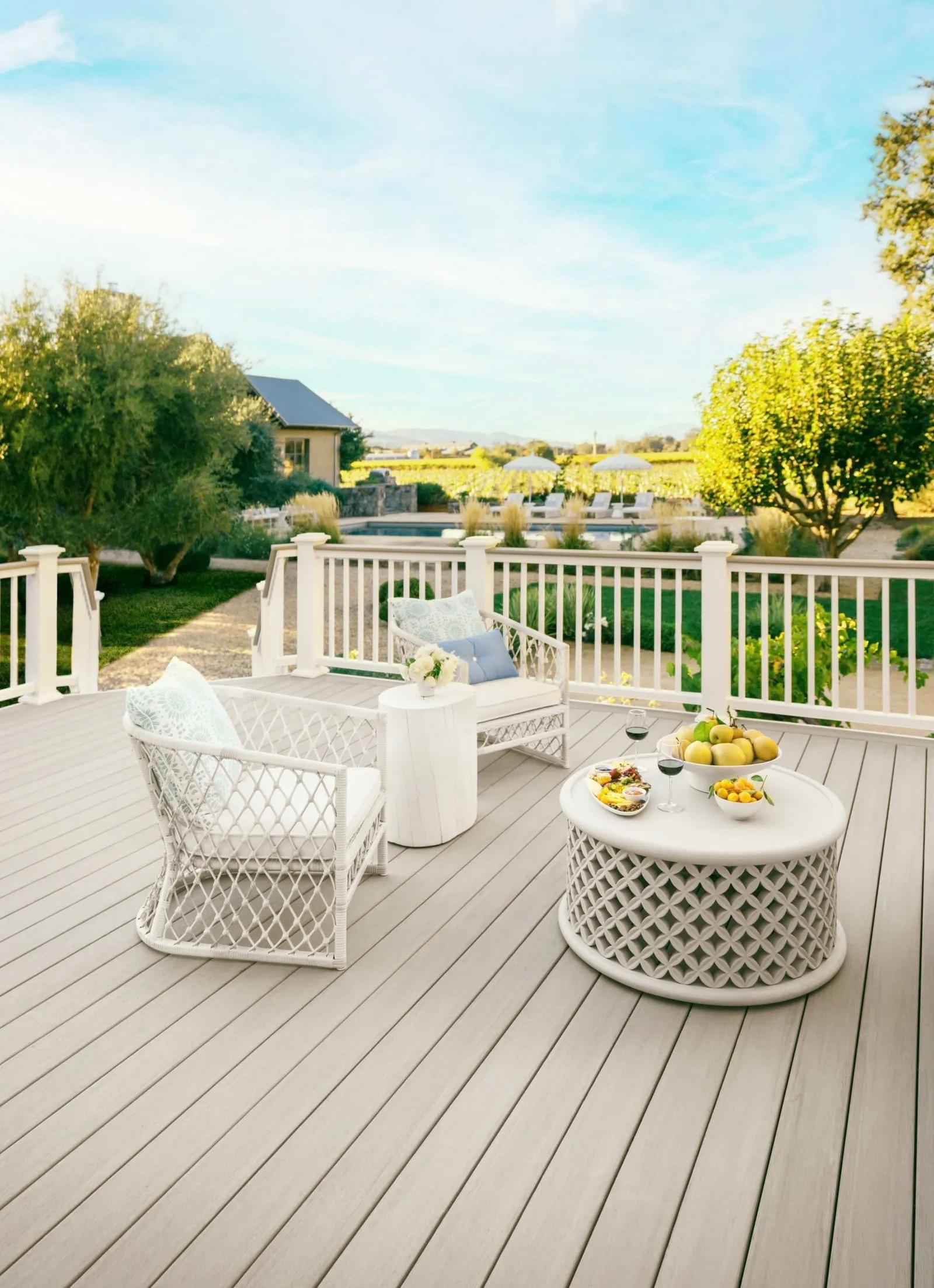
Layering for Lushness: Using Succession Planting in Landscape Design Feb 26, 2026
Succession planting, a cornerstone of sustainable gardening, involves planting different crops in the same spot sequentially to maximize yield and maintain soil health. In landscape design, it's more about timing and combining different plant species to ensure continuous color and interest in your garden. This technique allows plants to mature and bloom at different times, ensuring a lush, diverse display throughout the year.
Understanding the basics of this method can elevate your gardening game. In the spring, early bloomers like crocuses and daffodils can be planted. As these fade, summer perennials such as daylilies or coneflowers take center stage. Come autumn, ornamental grasses and asters can provide texture and color. This cycle not only enhances the garden’s aesthetic appeal but also maximizes the use of available space.
At BW Outdoor Solutions, we’ve seen firsthand how succession planting can reveal new layers of beauty in a garden. Integrating this approach requires thoughtful planning. Begin by considering the light, water, and soil requirements of your chosen plants. Grouping plants with similar needs ensures they thrive and minimizes maintenance. Additionally, it's crucial to account for the height and spread of each plant. Taller plants can provide a backdrop while smaller varieties fill in the foreground, creating depth and interest.
Creating a plan also involves understanding the growth cycles and optimal planting times of your flora. A well-crafted succession planting calendar outlines when each plant should be sowed, transplanted, and harvested. This ensures a seamless flow from season to season, with each plant gracefully giving way to the next.
Water management is another key aspect of succession planting. Efficient irrigation systems tailored to the specific needs of your garden can significantly aid the growth process. Drip irrigation or soaker hoses are excellent choices, particularly for gardens with varied plant heights and sun exposure.
For those new to this method, starting small is usually the best course of action. Try applying succession planting to a single garden bed before expanding to larger areas. This gives you a chance to monitor growth patterns and make necessary adjustments without feeling overwhelmed. With experience, you can begin experimenting with a broader range of plant species, further diversifying your garden’s aesthetic.
In conclusion, succession planting is more than just a gardening technique; it is a philosophy that fosters a harmonious relationship between nature and landscape design. By introducing this approach into your gardens, you relish the opportunity to create a dynamic, ever-changing outdoor space. At BW Outdoor Solutions, our passion lies in helping our clients achieve their ideal landscapes through innovative and sustainable practices like succession planting. Let us assist you in bringing your dream garden to life, maximizing beauty for all seasons.
Reach out today to learn more about how we can help you implement succession planting in your landscape design. With BW Outdoor Solutions, your garden's potential is only just beginning to flourish.
/filters:no_upscale()/filters:format(webp)/media/2896d341-f3e3-43c3-bd2c-5cdddfef294b.jpeg)