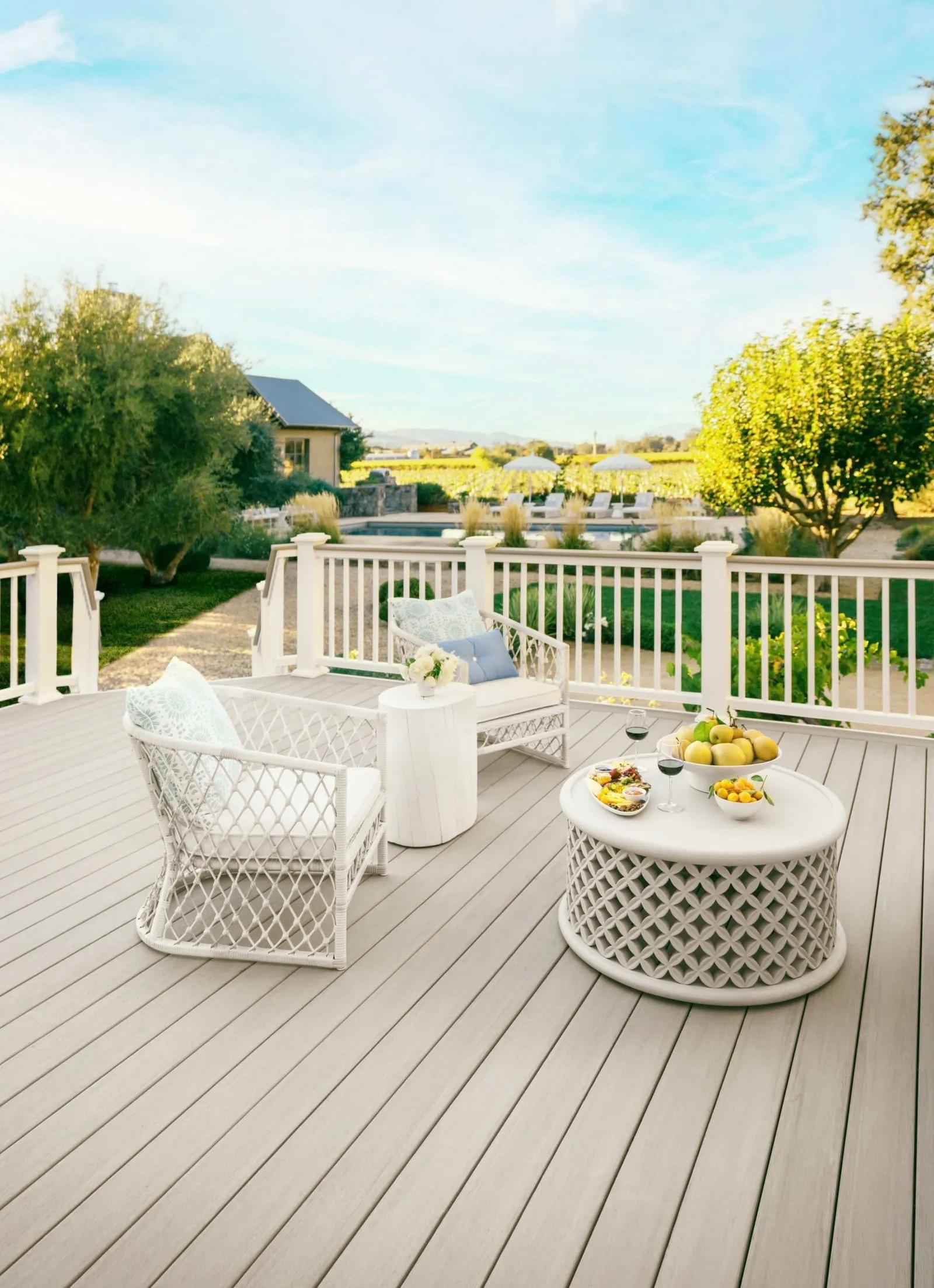
Garden Geometry: Using Symmetrical Design to Enhance Outdoor Elegance May 01, 2026
Symmetrical design in landscaping revolves around creating balance by mirroring elements on either side of a central axis. This approach can be both soothing for the eye and captivating as it instills a sense of order and refinement. Think of it as creating a garden where every plant, path, and feature has a twin on the other side. This symmetry can bring a polished and curated look to your outdoor areas, making them more inviting and luxurious.
The advantages of employing symmetrical design go beyond aesthetics. This approach makes planning and maintenance simpler. When key elements are mirrored, decisions about plant arrangements become more straightforward, saving time in the long run. Moreover, symmetrical gardens often convey a sense of timelessness, drawing inspiration from classic garden designs that have stood the test of time.
To begin incorporating symmetrical design in your garden, start by identifying a central point. This could be a fountain, a large tree, or even a piece of sculpture around which other elements can radiate. From there, work outward. When planting shrubs or designing flower beds, aim for pairs or mirrored groups. The repetition will help establish rhythm and balance.
Walkways play a significant role in symmetrical garden designs as they guide the eye and carve out defined spaces. Straight, parallel paths are a common feature, offering measured sophistication and allowing visitors to experience the garden as a cohesive whole. When paths lead to focal points like benches or birdbaths, they create a visual anchor, reinforcing the garden's sense of symmetry.
Simplicity is another key tenet of symmetrical garden design. Avoid overcrowding with too many varieties of plants. Instead, select a few species and repeat them across your space. This not only enhances the sense of order but also amplifies the individual beauty of each plant as every bloom and leaf pattern complements the overall structure.
Incorporating symmetry doesn’t mean your garden has to look formal or rigid. Play with texture and height to add interest and depth. For example, pair tall evergreens with shorter, flowering bushes to establish contrast within the symmetry, subtly breaking the monotony and adding layers of visual intrigue.
In conclusion, the elegance brought about by symmetrical garden design can transform even the most mundane outdoor spaces into stunning retreats. By focusing on balance and repetition, you can create a garden that not only appeals aesthetically but also offers tranquility and organization. At BW Outdoor Solutions, we understand the nuances of symmetrical design and are here to help you make the most of your garden geometry. Whether you're starting from scratch or enhancing an existing layout, adopting this classic approach could be the key to unlocking your garden’s full potential.
/filters:no_upscale()/filters:format(webp)/media/2896d341-f3e3-43c3-bd2c-5cdddfef294b.jpeg)