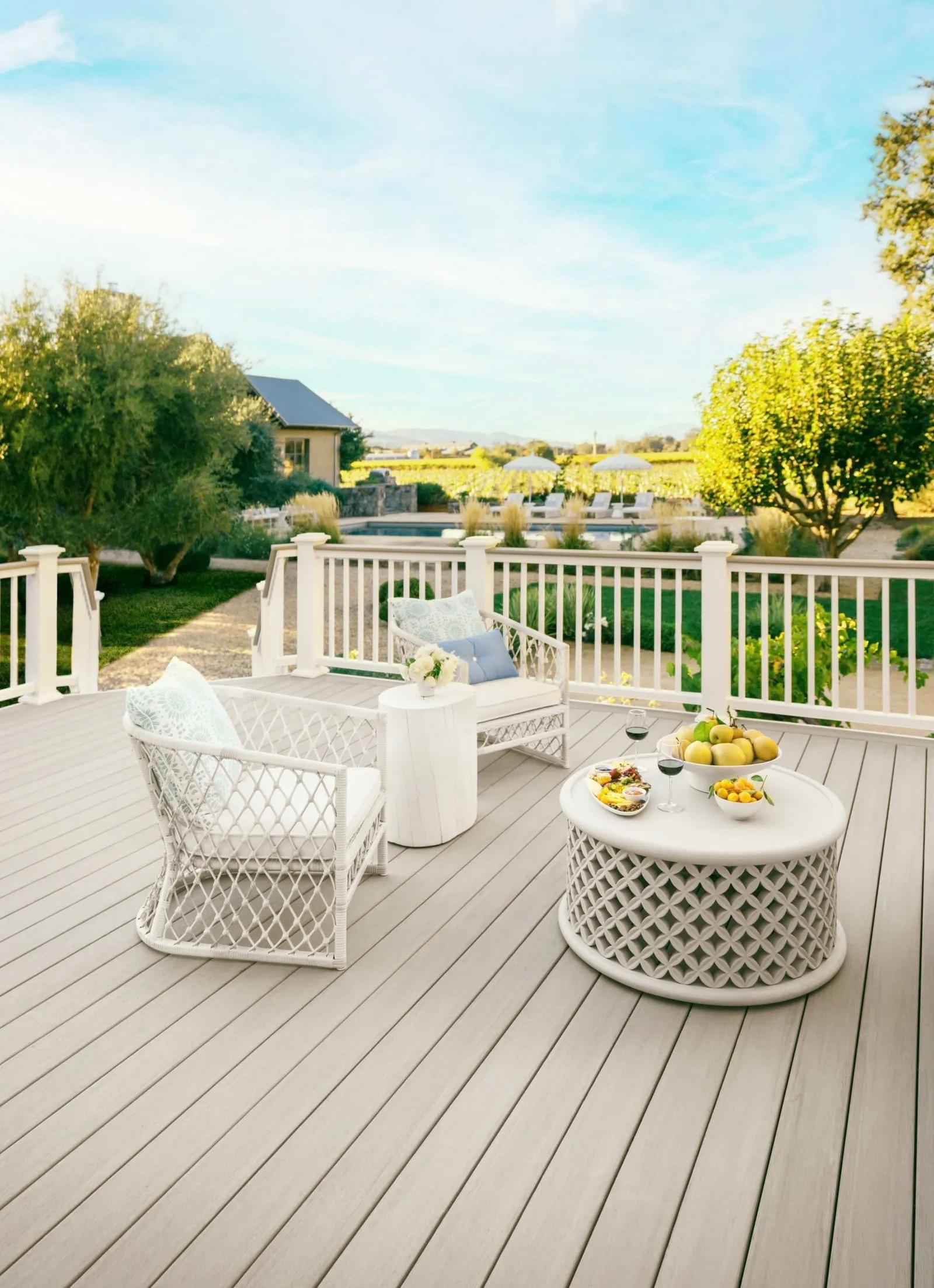
Eco-Chic Gardener: Sustainable Landscaping Practices for Modern Green Spaces May 14, 2026
Sustainable landscaping begins with understanding your local flora. Native plants are perfectly adapted to your regional climate and soil conditions, meaning they require less water and are more resilient to pests. By choosing native varieties, you reduce the need for chemical fertilizers and pesticides, cut down on water consumption, and create habitats for local wildlife. This simple switch is fundamental to establishing a low-maintenance, sustainable green space.
Another cornerstone of sustainable landscaping is water conservation. Traditional lawns can be water-intensive, especially during hotter months. Consider replacing sections of your lawn with drought-resistant ground covers or ornamental grasses that demand less water. Drip irrigation systems are also a great investment, as they deliver water directly to the root zones of plants, minimizing evaporation and runoff.
Composting is yet another practice that can enhance the health of your garden while reducing waste. By recycling kitchen scraps and yard waste, you produce nutrient-rich compost that can be used to enrich garden soil. This natural fertilizer not only promotes healthier plant growth but also improves soil structure and moisture retention.
Moreover, implementing green infrastructure can significantly boost the sustainability of your garden. Techniques such as installing permeable pavers and bioswales or creating rain gardens help manage stormwater runoff effectively. These systems naturally filter rainwater, reduce flooding, and replenish groundwater supplies, while adding unique beauty to your landscape.
Incorporating edible landscaping is another fantastic way to make your garden more sustainable. By growing your own fruits, vegetables, and herbs, you reduce reliance on store-bought produce, lower your carbon footprint, and potentially save on grocery bills. Berry bushes, apple trees, and even seasonal vegetable patches can provide a dual benefit of aesthetic appeal and fresh produce.
To improve your garden's sustainability quotient, consider using energy-efficient lighting. Solar-powered lights not only reduce your garden's carbon footprint but also provide cost savings over time. These lights are available in a variety of stylish designs to enhance the visual appeal of your landscape during evenings without increasing energy consumption.
Lastly, fostering biodiversity can elevate your landscape's eco-friendliness. Encourage native insects and pollinators such as bees, butterflies, and birds by planting flowering herbs and shrubs. Provide habitat features like bird feeders and water basins to attract and support wildlife. A biodiverse garden is not only healthier but also more resilient to changes in weather and disease outbreaks.
In summary, creating a sustainable garden is a rewarding endeavor that benefits both your surroundings and the wider environment. By choosing native plants, conserving water, composting, and harnessing renewable energy, customers of BW Outdoor Solutions can enjoy beautiful, eco-chic landscapes that shine in modern times. Embrace these practices in your next garden makeover and experience the joys of a green lifestyle while contributing to the planet's health. Make your garden a place of sanctuary, beauty, and sustainability—one that you and future generations can enjoy for years to come.
/filters:no_upscale()/filters:format(webp)/media/2896d341-f3e3-43c3-bd2c-5cdddfef294b.jpeg)