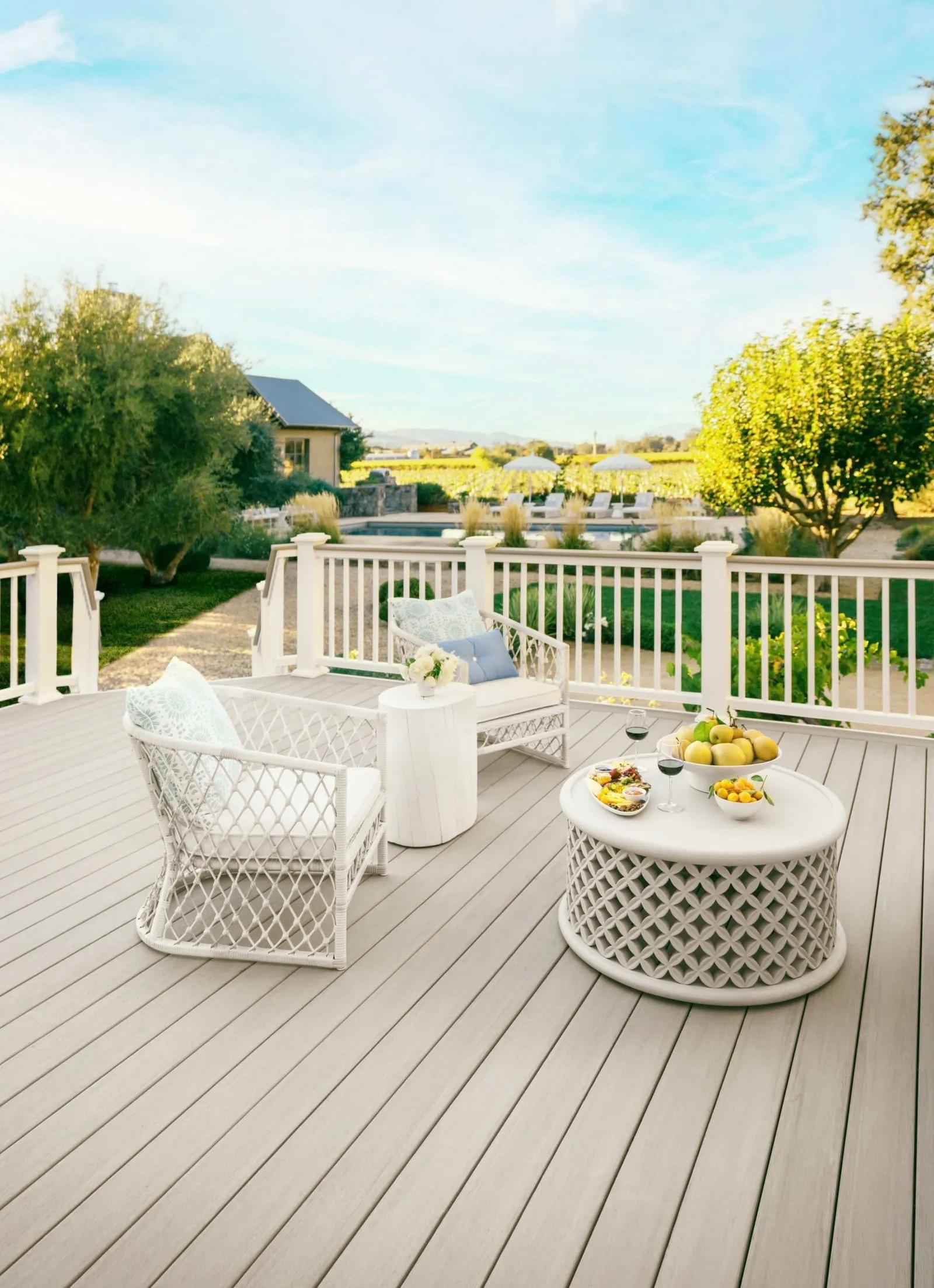
Designing with Nature: Creating Harmony Between Your Garden and the Environment Dec 29, 2025
Designing with nature involves more than just selecting beautiful plants. It requires a thoughtful approach to garden planning that takes into account local ecosystems, climate conditions, and responsible resource use. Such considerations ensure that your garden does not merely exist, but thrives, with minimal environmental impact.
The first step in designing an eco-friendly garden is to understand your local environment. This includes recognizing native plants, the local wildlife that these plants support, and the climate you’re working with. Native plants are adapted to the local soil, rainfall, and temperature, which means they require less additional watering and care than exotic species. Additionally, these plants provide a familiar habitat for local wildlife, enhancing biodiversity and restoring natural ecosystems.
Once you have familiarized yourself with native plants, consider incorporating them into your landscape design. At BW Outdoor Solutions, we emphasize the importance of choosing diverse plants that offer year-round interest. This means selecting species that bloom in different seasons, providing continual habitat and food sources for wildlife. For instance, winter berries can offer nutrition to birds, while flowering plants in the spring and summer attract beneficial insects like bees and butterflies.
Water conservation is another critical component of an environmentally harmonious garden. Implementing efficient irrigation systems such as drip irrigation or rain barrels can drastically reduce water waste. Mulching is equally beneficial as it helps retain soil moisture, suppresses weeds, and adds organic matter as it decomposes. BW Outdoor Solutions can help design and install water-wise gardens that align with your ecosystem while also cutting down on your water bills.
Integrating hardscapes with soft landscapes is another way to create an environmentally friendly oasis. Paths and patios made from permeable materials allow rainwater to infiltrate the ground, reducing runoff and enhancing the area’s natural water cycle. These features should blend seamlessly with the landscape, using materials that are locally sourced or recycled whenever possible.
Finally, consider the maintenance of your garden. Sustainable gardening practices include using organic fertilizers and pest control methods, which are healthier for the ecosystem and for anyone enjoying the garden space. At BW Outdoor Solutions, we advocate for minimal use of chemical products and promote natural gardening techniques.
Transforming your garden into a sustainable haven is a rewarding process that not only beautifies your home but also contributes positively to the local environment. By creating a garden that operates in harmony with natural processes, you're supporting biodiversity, conserving resources, and ensuring that your outdoor space is resilient to climate variations.
In conclusion, designing with nature requires thoughtful planning and a commitment to sustainability. BW Outdoor Solutions is dedicated to helping you achieve a garden that not only meets your aesthetic desires but also respects and enhances the local environment. Let us assist you in creating a garden that embodies peace, beauty, and ecological responsibility.
/filters:no_upscale()/filters:format(webp)/media/2896d341-f3e3-43c3-bd2c-5cdddfef294b.jpeg)